
 русский
 Español
 عربى



Temporary safety equipment is often moved, assembled, dismantled, and stored repeatedly throughout its working life. In elevator maintenance environments, this cycle can gradually affect connectors, hinges, frames, and surface finishes. A barrier that was easy to deploy when new may become harder to handle if small defects are overlooked. For maintenance contractors and equipment buyers, considering durability and routine upkeep during product selection can help reduce avoidable interruptions and keep temporary work-zone equipment in usable condition.
Identify Components That Experience Repeated Wear
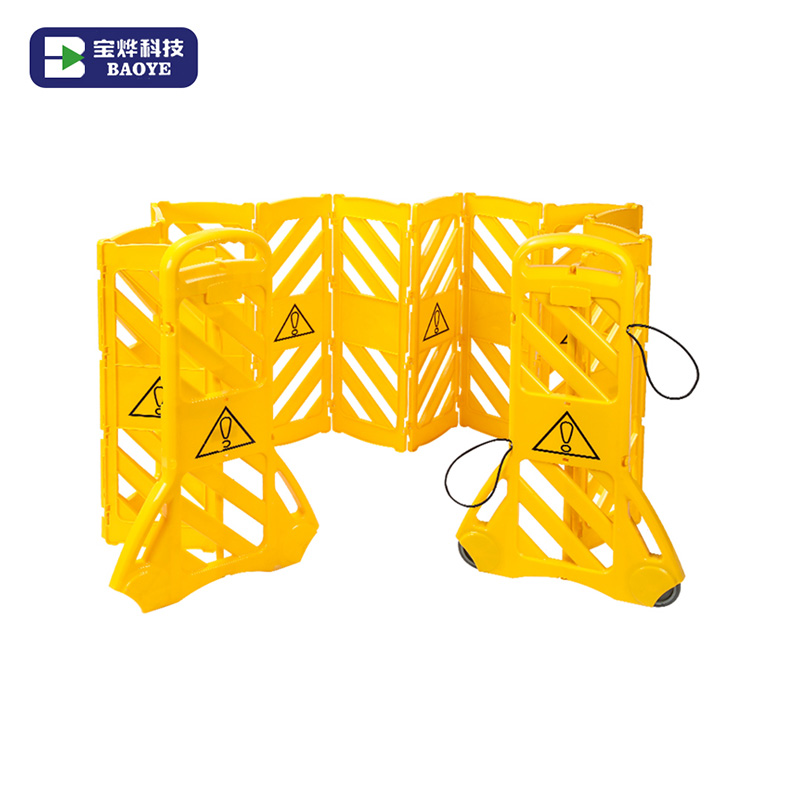
Not every part of a barrier experiences the same level of stress. Folding joints, connecting clips, fasteners, handles, and base contact points may receive frequent handling during setup and transportation.
Manufacturers should identify these areas during product development and consider how their materials and construction respond to repeated use. Buyers can review whether components are accessible for inspection and whether the assembly design allows worn parts to be identified without dismantling the entire product.
A practical design makes routine checks easier and helps maintenance teams recognize when a component needs attention.
Make Inspection Simple and Repeatable
Visual inspection is a useful starting point before a barrier is deployed. Staff should look for bent frames, loose connections, damaged bases, worn hinges, and missing parts. Any component that affects stability or proper assembly should be addressed before the barrier is used.
Manufacturers can support this process through clear assembly instructions and identifiable connection points. For larger maintenance teams, a consistent inspection checklist can also help different workers follow the same procedure.
Inspection requirements should reflect the product's design and the manufacturer's operating guidance rather than relying on informal judgments alone.
Select Materials for the Working Environment
Material selection influences how a barrier handles repeated movement, contact, and exposure to the surrounding environment. Indoor applications may prioritize low maintenance and a clean appearance, while equipment used in damp or outdoor locations may require different surface protection.
When developing an Elevator Maintenance Safety Barrier, manufacturers should consider frame material, joint construction, coating quality, and the environment in which the product is expected to operate. Buyers should communicate storage conditions and expected frequency of use before confirming specifications.
Selecting materials according to actual requirements is more useful than choosing a product based on appearance alone.
Keep Cleaning and Storage Practical
Dust, dirt, and residue can accumulate around hinges, connectors, and frame joints. Cleaning should follow the product's material requirements, using suitable methods that do not damage the surface finish or moving components.
Storage also influences product condition. Barriers should be kept in a designated area where they are protected from unnecessary impacts, excessive moisture, and poorly organized stacking. Folding or detachable components should be secured according to the manufacturer's instructions.
A consistent storage routine helps reduce avoidable damage between maintenance jobs.
Plan for Replacement Parts
A damaged connector or caster, where fitted, does not always mean that an entire barrier must be replaced. Buyers should understand which components can be serviced and whether compatible replacement parts are available.
Manufacturers can help by maintaining clear component identification and documenting relevant specifications. This is particularly useful for organizations operating several maintenance teams or purchasing multiple barrier units over time.
Replacement decisions should always consider whether the repaired product can meet its intended operating requirements.
Connect Product Design With Quality Control
Durability begins before a barrier reaches the customer. Manufacturers should inspect frame alignment, joint fit, fastener installation, folding function, and surface finish during production. Any load or stability checks should follow the product's specified design requirements.
For customized orders, documenting approved materials and construction details also helps maintain consistency between batches. Clear inspection records can support more structured quality management and make product issues easier to investigate.
Make Service Life Part of the Purchasing Decision
The purchase price is only one part of the cost of maintaining temporary safety equipment. Handling, cleaning, storage, inspections, and component replacement can also affect the effort required to keep it ready for use. By focusing on accessible components, suitable materials, and consistent manufacturing checks, buyers can evaluate an Elevator Maintenance Safety Barrier according to its expected working conditions and maintenance needs. A product designed for practical upkeep can support more orderly equipment management throughout repeated maintenance cycles.