
 русский
 Español
 عربى



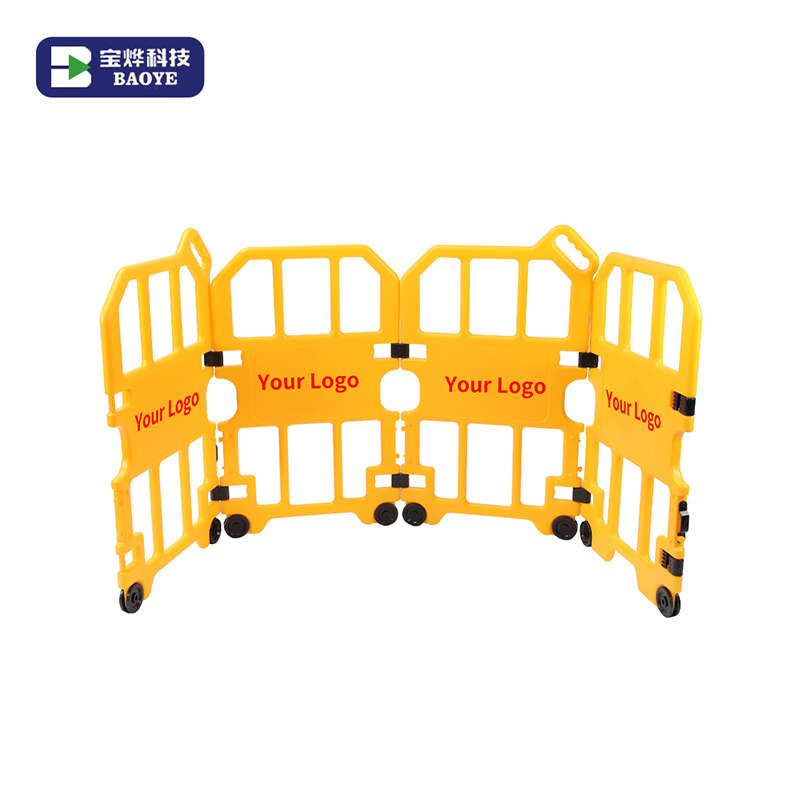
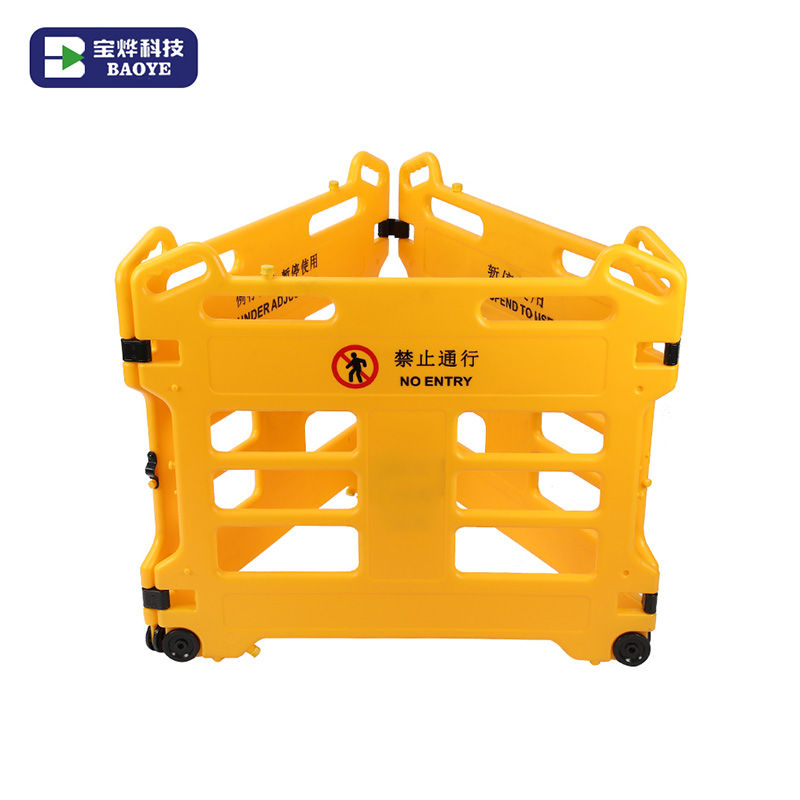
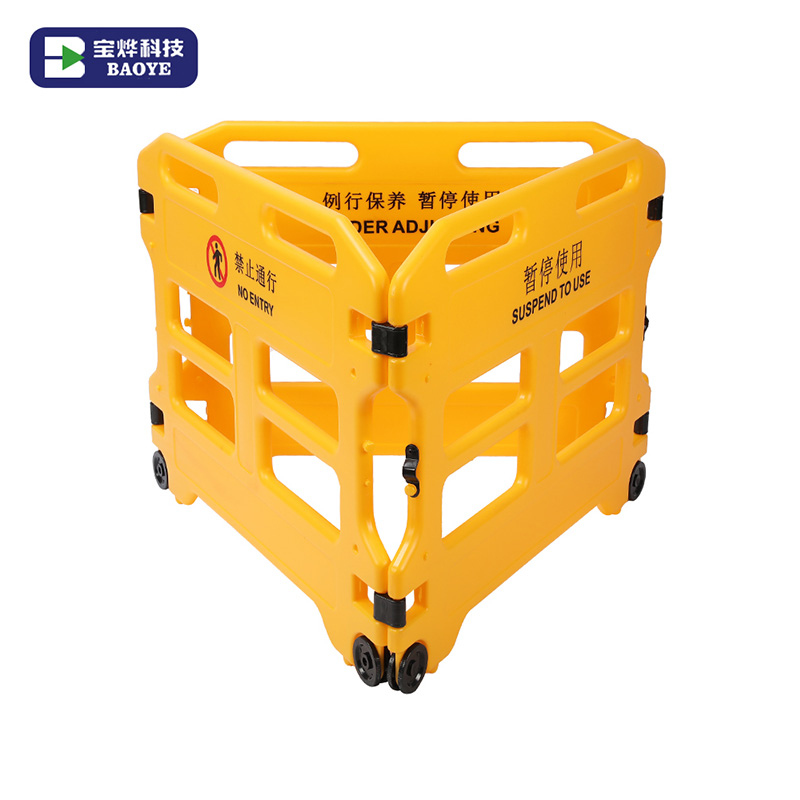
Elevator maintenance projects rarely take place under identical conditions. A service team may work in a spacious commercial building one day and a narrow residential corridor the next. The available floor area, pedestrian traffic, equipment access, and duration of the task can all influence how a temporary work zone should be arranged. For maintenance contractors and facility managers, a flexible barrier system can make site preparation easier while helping teams maintain a clear separation between the work area and surrounding movement.
Adapt the Layout to Different Workspaces
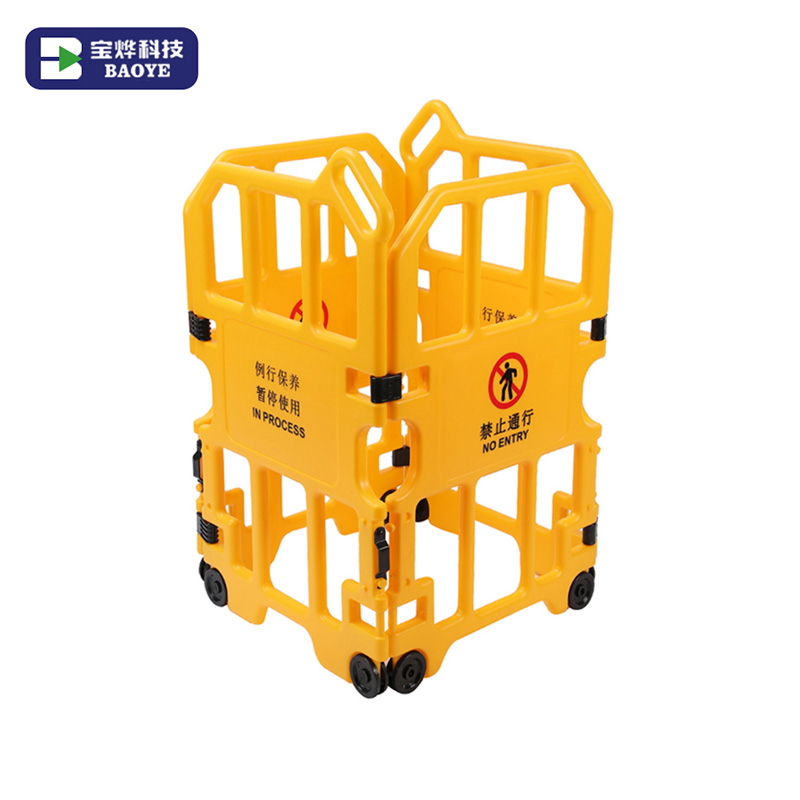
A fixed barrier size may suit one location but become inconvenient in another. Modular panels or connectable sections can provide greater flexibility when maintenance teams need to adjust the length or shape of a restricted area.
Manufacturers should consider how individual sections connect, whether the layout can be changed without complicated tools, and how the assembled structure behaves during normal use. Buyers should measure common work locations and identify the configurations most likely to be required before choosing a product.
A practical design should allow adjustments without creating unnecessary gaps or unstable connections.
Make Setup Straightforward for Service Teams
Maintenance workers often need to prepare the work area before beginning technical tasks. If a barrier has too many loose components or requires complicated assembly, setup may become unnecessarily time-consuming.
Clear connection points, manageable component weight, and an understandable assembly sequence can improve usability. Manufacturers can review the number of assembly steps and evaluate whether the parts can be connected and released as intended.
During product evaluation, buyers should consider how easily one person or a small team can transport, position, and assemble the barrier according to the product's instructions.
Check Connections and Structural Stability
Modular flexibility is useful only when the connected sections remain properly aligned. Loose joints, poorly fitted connectors, or unsuitable base dimensions can affect the assembled barrier's stability.
Manufacturers need to assess connection design, frame geometry, material strength, and base support as parts of one system. Inspection should include the fit of connecting components and the condition of moving or detachable parts.
For buyers, it is important to confirm the intended configuration and operating limitations. A barrier should be assembled on a suitable surface and checked before use rather than assumed to be stable simply because its components fit together.
Balance Reusability With Storage Needs
Barriers used across multiple maintenance jobs need to withstand repeated handling. Frames, hinges, connectors, and surface finishes should be selected with regular assembly, dismantling, transport, and storage in mind.
A folding or detachable design may reduce storage demands, but the packed configuration should still protect important components. Buyers should check folded dimensions, carrying arrangements, and whether small connectors can be stored securely.
Manufacturers can improve practical storage by designing the product and its packaging together, helping teams keep components organized between jobs.
Maintain Visibility in Changing Locations
The barrier must remain easy to recognize in the environment where it is deployed. Color contrast, warning markings, panel height, and viewing angles can affect visibility in corridors, lobbies, and other shared spaces.
When developing an Elevator Maintenance Safety Barrier, manufacturers should consider how markings appear under typical indoor lighting and whether they remain visible from likely approach directions. Buyers should also check whether the chosen configuration provides adequate visual separation for the intended work area.
Product visibility should complement, not replace, the site's established safety procedures and access controls.
Use Inspection to Support Consistent Production
Manufacturing checks should cover frame alignment, connector fit, folding operation, base condition, surface finish, and warning-label placement. These checks help identify assembly defects before products are packed and delivered.
For customized orders, approved dimensions, colors, connection styles, and labeling requirements should be documented clearly. This gives production teams a consistent reference and helps buyers compare subsequent batches against the original specification.
Select a Barrier System That Fits Real Jobs
The value of a modular barrier lies in how well it adapts to actual maintenance conditions. Manufacturers can support buyers by coordinating panel dimensions, connection design, portability, visibility, and storage requirements during product development. When these elements are planned together, maintenance teams can manage temporary work zones more efficiently while buyers gain a clearer basis for specifying and purchasing equipment for different sites.