
 русский
 Español
 عربى
عربى



Elevator maintenance often takes place in shared buildings where residents, employees, visitors, and service technicians may move through the same areas. When maintenance work requires an elevator entrance to remain accessible or a landing area to be temporarily restricted, poor separation between the work zone and public circulation can create avoidable risks. Building operators and maintenance contractors therefore need practical ways to mark restricted areas, guide pedestrian movement, and keep access arrangements clear throughout the job. The right barrier design can support a more organized worksite while allowing technicians to focus on their assigned tasks.
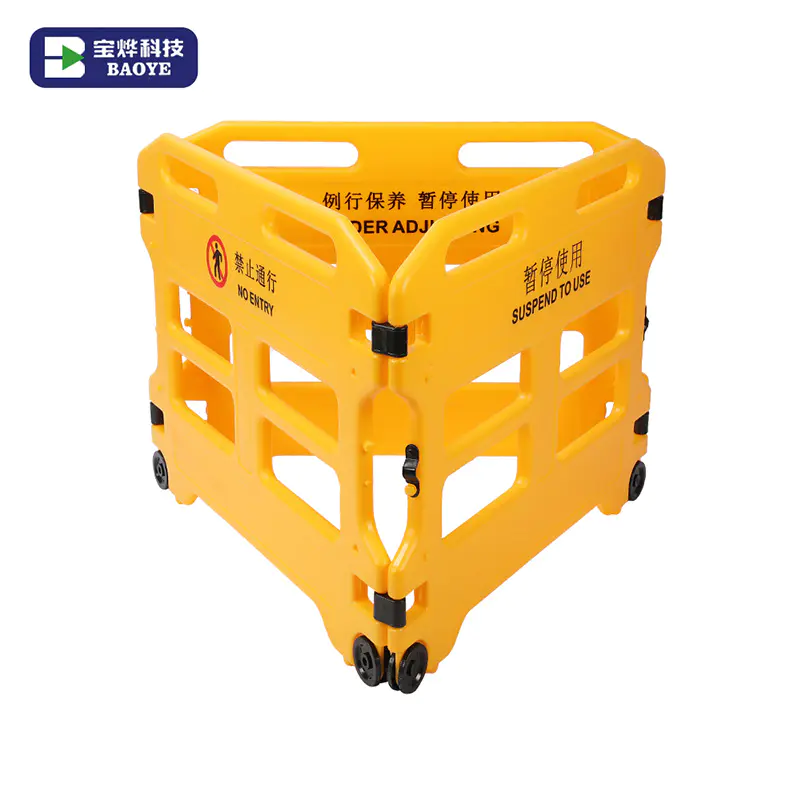
Establish a Clear Boundary Around the Work Area
A maintenance area should be easy to recognize before someone approaches it. If the boundary is unclear, pedestrians may enter the work zone without understanding that equipment, tools, or an open elevator entrance could present hazards.
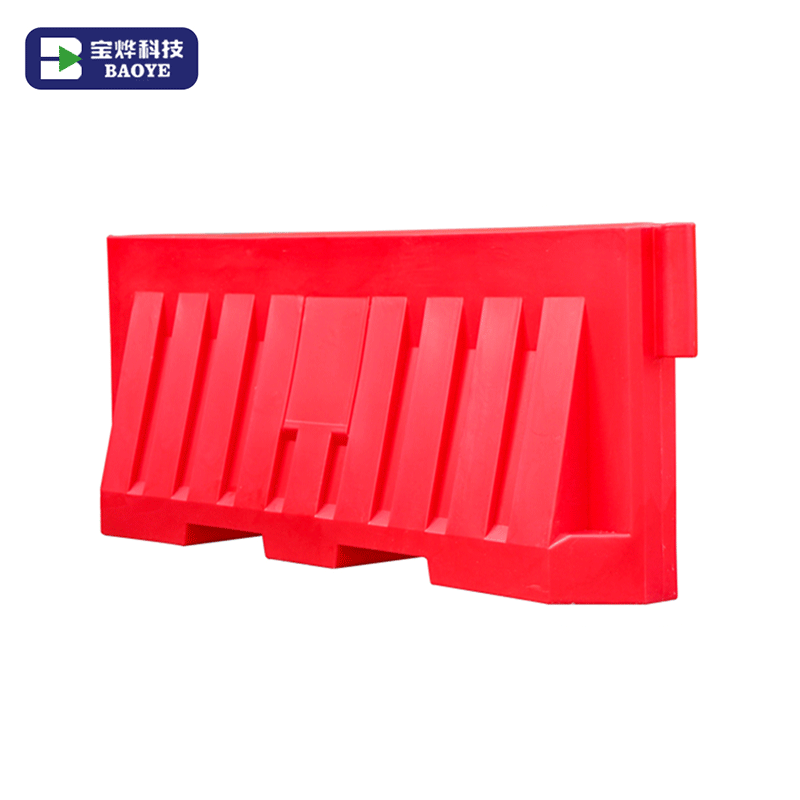
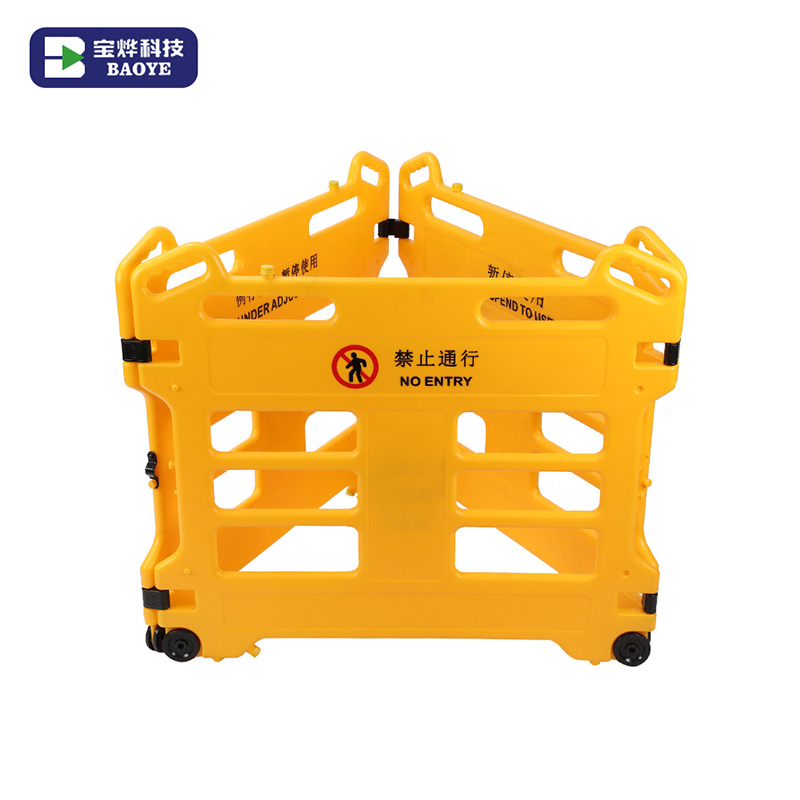
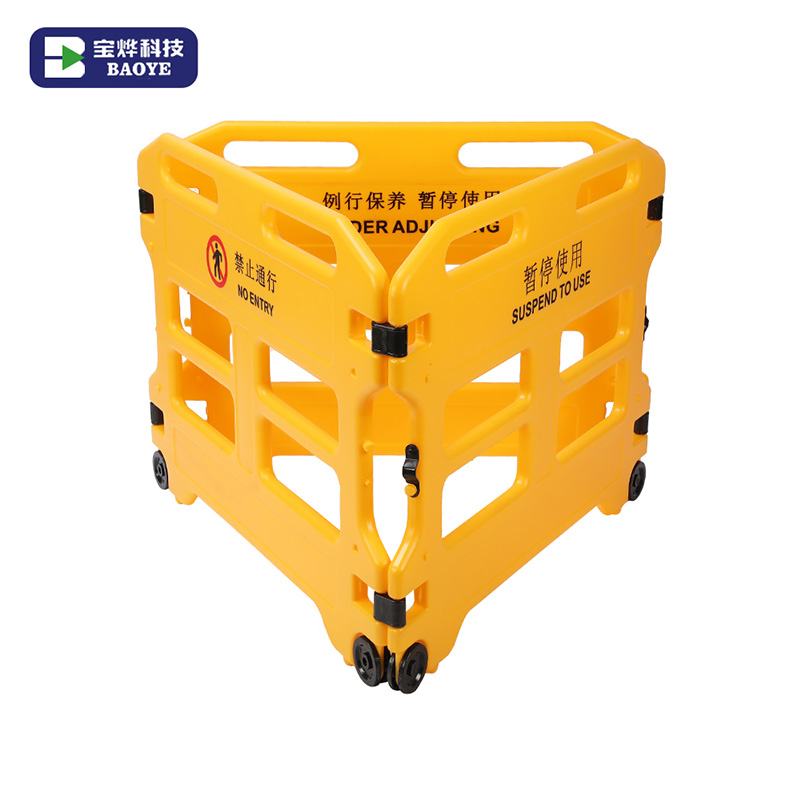
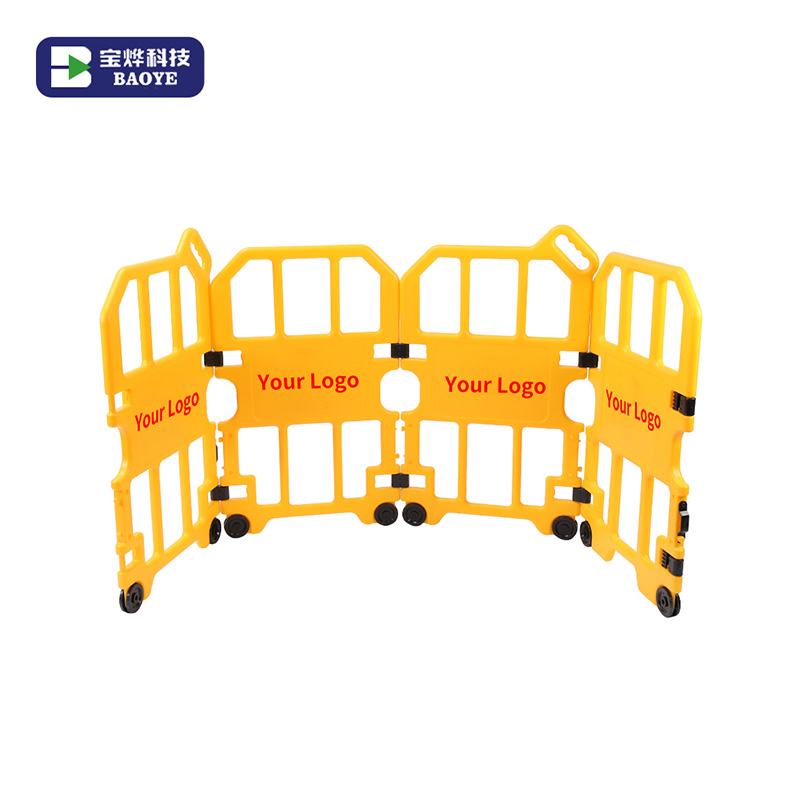
An Elevator Maintenance Safety Barrier should be selected according to the layout of the landing, the available working space, and the type of maintenance being performed. Barrier height, width, visibility, and placement all influence how effectively the restricted area can be identified.
Manufacturers should consider how the product communicates separation without unnecessarily obstructing surrounding circulation. Clear warning panels, recognizable markings, and a layout that is easy to position can help maintenance teams establish the boundary more consistently.
Match the Barrier to Different Landing Layouts
Elevator entrances vary across residential buildings, offices, hotels, and commercial facilities. Some landings provide ample space, while others have narrow corridors, nearby doors, or frequent pedestrian traffic.
A barrier that works well in one location may be awkward to position in another. Before purchasing, maintenance companies should assess the width of the entrance, the direction of pedestrian movement, available storage space, and whether the barrier needs to be moved between floors.
Manufacturers can support these requirements by offering clearly specified dimensions and practical configuration options. Folding structures or modular arrangements may be useful where portability and storage are important, provided the design remains suitable for the intended application.
Prioritize Stability and Secure Positioning
A barrier must remain in its intended position during normal site activity. Unstable feet, loose connections, or unsuitable structural proportions can allow the unit to shift when people pass nearby or when the barrier is repositioned.
During product development, manufacturers should assess the relationship between the frame, base, joints, and panels. Material selection and structural geometry should reflect the expected working environment rather than appearance alone.
Buyers should review how the barrier stands on typical floor surfaces, how its components connect, and whether it can be positioned without creating additional trip hazards. A portable design should still provide suitable stability for its intended use.
Make Visibility Part of the Design
A physical boundary is more useful when people can identify it promptly. In dim corridors, busy lobbies, or visually crowded landing areas, a barrier that blends into its surroundings may be easier to overlook.
Manufacturers should consider contrasting colors, visible warning messages, and suitable panel layouts when developing products for maintenance environments. The wording and markings should be legible at an appropriate viewing distance and relevant to the target market.
For overseas buyers, confirming language, labeling, and visibility requirements before production can reduce the need for later modifications. Visual communication should complement site procedures and other required protective measures, not replace them.
Inspect Components Before Each Use
Repeated transportation and setup can gradually affect a barrier's condition. Frames may become bent, fasteners may loosen, and panels or warning markings may suffer damage during handling or storage.
A practical pre-use check can include:
- Examining the frame and base for visible damage
- Checking joints, fasteners, and locking components
- Confirming that the barrier stands securely
- Reviewing warning panels for legibility
- Verifying that the unit opens, folds, or connects as intended
Manufacturers should establish suitable inspection criteria and provide clear handling instructions. Maintenance teams should remove damaged equipment from service until it has been assessed and repaired or replaced appropriately.
Plan Storage and Transportation Alongside Use
Maintenance contractors may need to move barriers between sites or store them in service rooms between jobs. Excessive bulk, difficult folding arrangements, or poorly protected panels can make handling less convenient and increase the chance of damage.
When evaluating a barrier for elevator maintenance work, buyers should consider folded dimensions, carrying arrangements, storage requirements, and protection during transportation. Packaging should help prevent scratches, deformation, and damage to movable components before delivery.
Manufacturers can improve procurement efficiency by confirming these requirements alongside product dimensions and quantities rather than treating packaging as a separate afterthought.
Build Consistency Into Manufacturing
For bulk buyers, a satisfactory sample is only the starting point. Subsequent units should maintain the approved dimensions, structural configuration, finish, warning layout, and assembly quality.
Manufacturers can support this objective through incoming material checks, dimensional inspection, assembly verification, and final product evaluation. Documented specifications also help maintain consistency when buyers reorder the same model or request market-specific labeling.
A carefully designed barrier is one part of a broader maintenance safety arrangement. When its structure, visibility, positioning, and inspection requirements are considered together, building operators can establish clearer work zones and support more orderly maintenance activities.