
 русский
 Español
 عربى
عربى



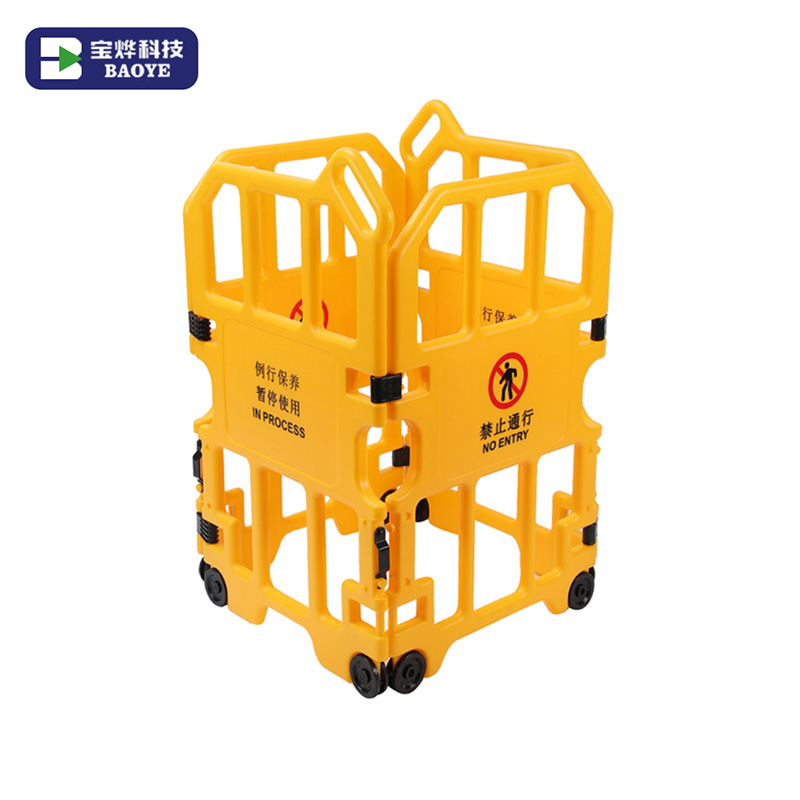
Maintenance crews often work under changing site conditions. One day, technicians may service an elevator in a spacious commercial building; the next, they may need to work in a narrow residential corridor with limited room for equipment. In both situations, protective equipment needs to be easy to transport, straightforward to position, and suitable for repeated handling. A well-planned barrier design can help service teams organize temporary work areas without adding unnecessary complexity to their daily routines.
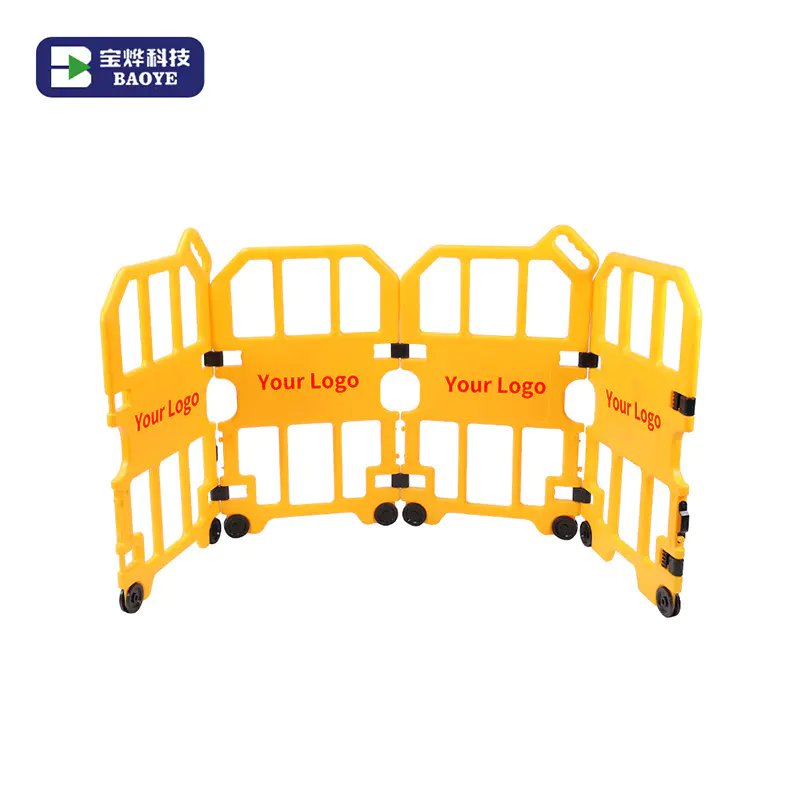
Make Deployment Simple for Routine Maintenance
Maintenance work frequently involves preparing a site before tools and equipment are brought into the work area. If a barrier requires complicated assembly or several separate components, setup may become unnecessarily time-consuming.
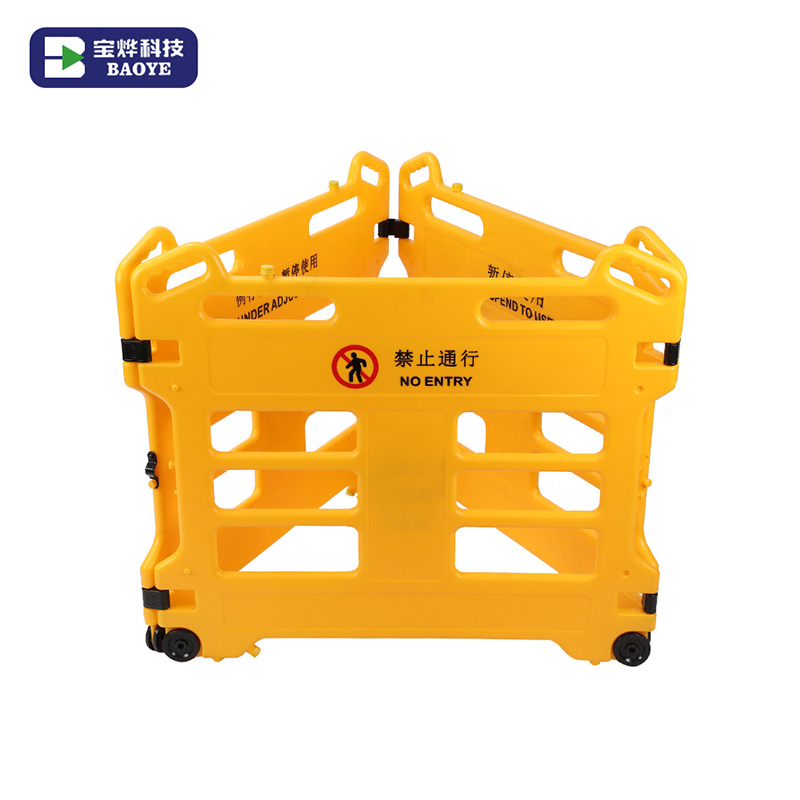
An Elevator Maintenance Safety Barrier should have a structure that allows technicians to understand how it opens, locks, or connects. Clear operating instructions and accessible locking points can help reduce setup errors, especially when teams use the equipment regularly across multiple locations.
Manufacturers should evaluate deployment procedures during product development rather than concentrating only on the finished appearance. Practical trials can reveal whether the structure is easy to handle and whether its components remain secure when positioned according to the instructions.
Balance Portability With Structural Stability
Portable equipment is valuable for service teams that move between buildings, but a lightweight design still needs to remain stable during intended use. If the base is too narrow or the frame is poorly balanced, the barrier may shift more easily during normal site activity.
Manufacturers should consider frame geometry, base dimensions, joint design, and material selection together. These elements influence how the barrier stands, folds, and withstands repeated handling.
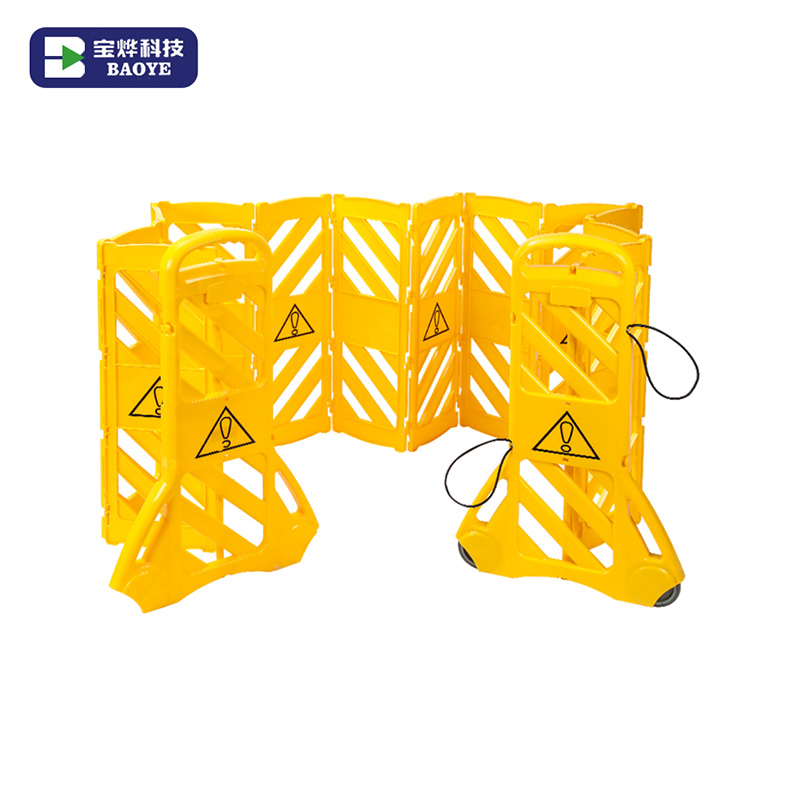
Buyers should assess both the deployed and folded configurations. The product should be convenient to carry and store while providing suitable stability when installed according to its intended operating conditions. Portability should support practical use rather than replace structural evaluation.
Choose Materials for Repeated Handling
Barriers used by maintenance contractors may be opened, folded, transported, and stored frequently. Over time, these activities can affect surface finishes, joints, fasteners, and movable components.
Material selection should reflect the expected environment and handling frequency. Manufacturers need to consider resistance to ordinary wear, ease of cleaning, and the possibility of scratches or deformation during transportation.
The choice of material also affects product weight, appearance, and maintenance needs. For customized orders, buyers should confirm the required finish and operating environment before production so that the selected construction matches the intended application.
Design Movable Parts for Consistent Operation
Folding joints, hinges, locks, and connecting components can influence the product's usability throughout its service life. Poor alignment or inconsistent assembly may make a barrier difficult to open or secure.
During manufacturing, movable parts should be checked for fit and function. Inspection can include opening and closing the structure, confirming that locking components engage correctly, and checking for visible damage or excessive looseness.
For an Elevator Maintenance Safety Barrier intended for repeated deployment, these checks help connect the original design requirements with the finished product. Manufacturers should also provide instructions explaining how to inspect and handle movable components.
Simplify Storage Between Service Jobs
After maintenance is completed, equipment must be removed from the site and stored until the next assignment. A barrier that folds into a manageable configuration can make transportation and storage easier, particularly when service vehicles carry several types of equipment.
Buyers should consider folded dimensions, carrying methods, stacking arrangements, and packaging protection. If several units will be stored together, the design should also support orderly handling without putting unnecessary pressure on frames or warning panels.
Manufacturers can improve product planning by considering storage requirements early, rather than adjusting the packaging only after the structure has been finalized.
Establish Repeatable Manufacturing Inspections
For contractors and distributors purchasing multiple units, consistency matters as much as the performance of a single sample. Differences in dimensions, frame alignment, surface finishing, or locking mechanisms can create difficulties when products are used together.
A manufacturing inspection plan may cover:
- Frame dimensions and alignment
- Base stability and connection quality
- Folding and locking functions
- Surface finish and visible defects
- Warning panel placement and legibility
- Packaging and product identification
Documented inspection criteria help production teams evaluate each batch against the approved specification. They also provide a reference when buyers request repeat orders or report a product issue.
Support Long-Term Procurement With Clear Specifications
A useful maintenance barrier should be practical to deploy, manageable to transport, and consistent in construction. For manufacturers, achieving these qualities requires coordination between design, material selection, assembly, and final inspection.
Overseas buyers can make procurement decisions more confidently by confirming dimensions, materials, operating procedures, storage requirements, and inspection expectations before placing an order. Clear specifications help ensure that the delivered equipment matches the intended work environment and provides maintenance teams with a dependable tool for organizing temporary service areas.